
[ad_1]

There are few things more irritating on the road than the loud squeaking or chattering noise wiper blades make when they drag unevenly across the windscreen. It always seems to happen at the most inconvenient moment, such as when unexpected rain begins or visibility suddenly drops and you urgently need a clear view of the road to stay safe. Many drivers assume that noisy wipers automatically mean the blades are worn out and must be replaced immediately, but in reality, most cases can be fixed at home with quick, practical and surprisingly simple adjustments. Understanding what actually causes the unpleasant sound makes solving the issue much easier, and the good news is that many solutions cost nothing at all and require no mechanical skill. A few minutes of easy maintenance can help wipers glide smoothly again, eliminate streaks, reduce distractions and improve driving safety dramatically. Very often, problems come from dirt buildup on the blade or glass, worn rubber edges that need trimming or reshaping, or poor alignment pressure caused by the wiper arm angle, all of which usually improve after gentle cleaning and proper repositioning to restore smooth operation.
How to fix wiper blades making noise: Quick and free solutions

Clean the windscreen thoroughly
Dirt and residue on the glass create friction, which makes wipers screech and vibrate. Use proper glass cleaner or soapy water and a soft cloth to remove dust, pollen, bird droppings, tree sap and wax. Clean the area the wipers sweep, not just the centre of the screen. Regular maintenance also helps prevent scratches on the windshield, extends the life of the wiper blades, ensures clear visibility during rain or snow, and contributes to overall driving safety by reducing distractions caused by streaks, smears, or sudden wiper noise during operation.
Clean the rubber edge of the wiper blades
Lift the wipers and wipe the rubber blade with a damp cloth or mild soap solution. This removes built-up grime that prevents smooth movement. You will often notice instant improvement after cleaning.
Do not use wipers on a dry windscreen
Always use washer fluid first before running the wipers. Dry wiping increases friction and damages rubber quickly, causing more noise in future.
Adjust the wiper angle and alignment
If the wiper arm is slightly bent or angled incorrectly, the blade will press unevenly against the glass and squeak. Gently adjust the arm so the blade sits flat and even along its length, then test again and many car owners find that even a small correction makes an immediate difference. A slight twist or repositioning often restores the natural sweep of the blade, preventing that harsh chatter that tends to worsen during humid or dusty weather.
Soften the rubber with alcohol or a silicone wipe
If the rubber has stiffened in heat or sunlight, wipe the blade gently with isopropyl alcohol or a silicone conditioning cloth. This restores flexibility and reduces vibration and noise.
Remove any wax or polish residue from the glass
Car shampoo, ceramic coat or dashboard polish overspray can leave a slippery film that causes noise. If the windscreen looks shiny or streaky, clean it with a degreasing glass cleaner.
Check wiper pressure against the windscreen
If the pressure is too strong or too light, the blade will chatter. Lift and release the arm gently to reset the tension. If pressure is uneven, alignment adjustment normally fixes it. Make sure the machine is clean, the blade is sharp, and all bolts are tight before starting, because even small issues can cause uneven cutting and potential safety hazards that may be overlooked during routine use.
Park the wipers off the hot glass
In extreme heat, rubber hardens quickly. If you typically leave your car in the sun, place the wipers on small rests or shields to prevent the rubber from baking to the glass.
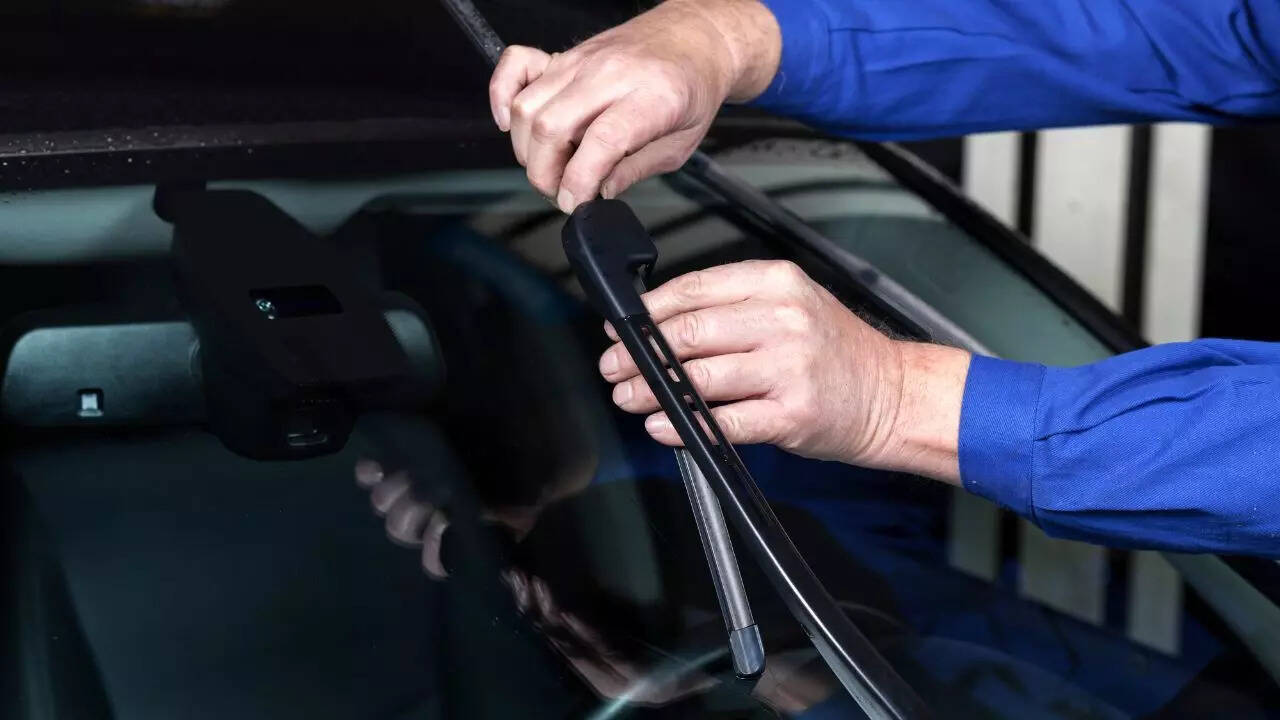
Replace the blades only if fixing does not work
If blades leave streaks, skip parts of the glass or show cracks when bent, it is time for replacement. Most wiper blades last around 12 months, depending on climate and usage.
Why fixing wiper noise matters
Noisy wipers are more than a minor annoyance. They can be distracting, reduce concentration when driving and usually indicate poor contact between the blade and the glass, which affects visibility during rain or fog. Smooth, silent wiping gives clearer vision and makes driving safer, especially at night or in heavy traffic.Regular cleaning and simple adjustments can extend blade life, save money and keep your windscreen clear in harsh weather. Most problems come from dirt, dryness or alignment, not wear, so trying these quick fixes first can solve the issue without buying new wipers.Also read| Antarctica’s doomsday glacier is collapsing fast and scientists are terrified
[ad_2]
Source link