[ad_1]
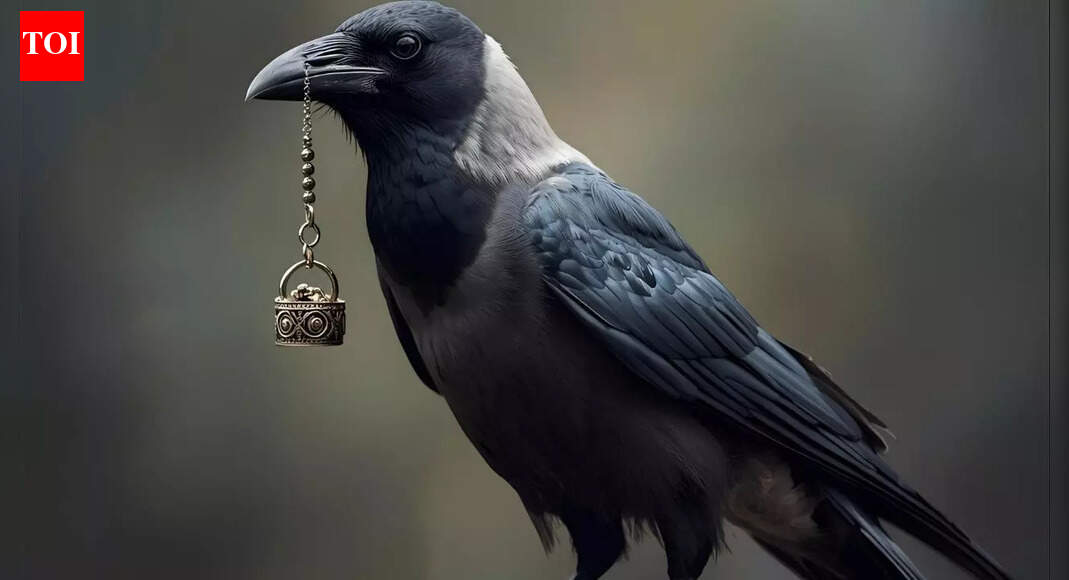
Many individuals around the world have told stories about crows leaving weird tiny trinkets after receiving food or compassion, generating moments of surprise that last long after they occur. These unexpected things frequently include pebbles, flashy metal bits, bottle caps, buttons, or even rings, which are carefully put in locations where humans are likely to find them later. For those who encounter it, the moment might seem mysterious or extremely emotional, as if the crow is expressing appreciation or acknowledging a link. Although this behaviour may appear magical, scientists have studied how crows think and interact with humans and have revealed that there are fascinating cognitive processes behind it, rooted in learned behaviour and memory-based exchanges. Crows are among the most intelligent birds in existence, capable of recognising faces, forming memories, solving problems, and even learning social exchange behaviour that mirrors trust-building seen in complex mammals.A peer-reviewed study published in Proceedings of the National Academy of Sciences showed that American crows could remember individual human faces associated with either danger or kindness for several years. In experiments, crows that were captured while researchers wore specific masks later recognised and scolded people wearing the same mask even after long intervals. The finding suggests that crows form long-term social memories, which may explain why some humans receive “gifts” after regular friendly interactions like feeding.
What science explains about crow’s gift behaviour
Crows belong to the corvid family, a group well known for exceptional intelligence and problem-solving ability. They use tools, plan for the future and demonstrate complex cooperation. Researchers studying crow behaviour suggest that objects left for humans may not be random, but rather part of reciprocal learning or exchange behaviour. Observation-based reports describe people routinely feeding crows and later finding small objects placed neatly near the usual feeding area. These items are often shiny or unusual, which crows naturally enjoy collecting. Some ethologists also note that crows experiment with patterns that seem to generate desirable outcomes, meaning they sometimes repeat behaviours that previously resulted in food or safe interaction. This trial-and-error learning can create the appearance of deliberate gifting even when the motivation is more practical than emotional.Some scientists propose that what appears as gift-giving may begin accidentally. Crows often carry objects out of curiosity. When they approach feeding spots while holding an item, they sometimes drop it near the person without intention. If this event is followed by a reward, such as more food or friendly interaction, the crow may learn a pattern that resembles exchange.
Why crows recognise and reward helpful humans
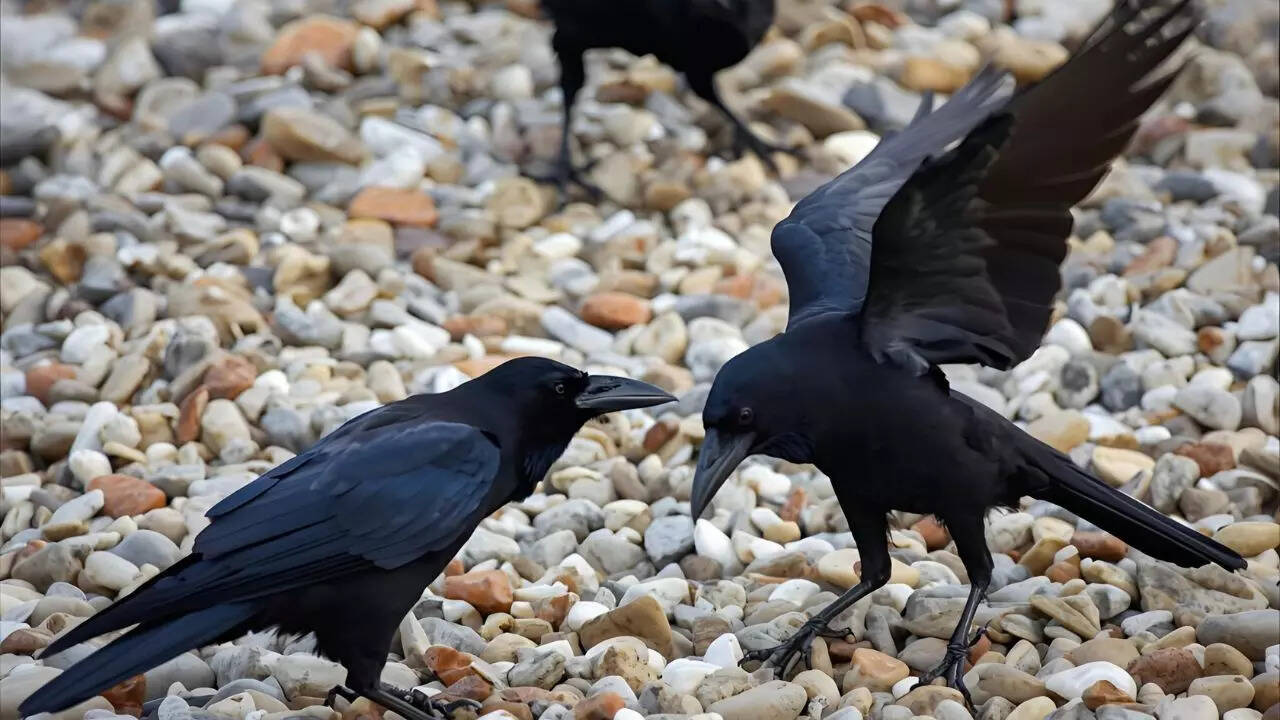
Crows possess the ability to recognise individual human faces and differentiate between friend and threat. That means a person who regularly feeds or protects crows becomes familiar to them. Over time, trust grows, and crows may exhibit social or exploratory behaviours around these humans. Scientists have documented situations where crows bring objects during repeat encounters, suggesting they are capable of behavioural reciprocity. They have also shown that crows understand fairness when exchanging objects for food in controlled environments.Therefore, the objects left behind may reflect a learned association between human kindness and crow curiosity or exchange behaviour. Although science does not confirm whether crows experience feelings identical to human gratitude, the intelligence behind their actions makes the interpretation possible. Over time, repeated interactions could reinforce this pattern, shaping complex social learning processes within urban crow populations worldwide today now.
Why do crows sometimes leave pebbles, rings or bottle caps
These small offerings are often:
- Objects that crows naturally collect due to shininess or novelty
- Items picked up while they explore their surroundings
- Objects exchanged as part of learned reward systems
- Early forms of reciprocal behaviour in response to consistent feeding
Pebbles and metal are common because they are durable, portable and visually interesting to crows.
How to build a positive relationship with crows
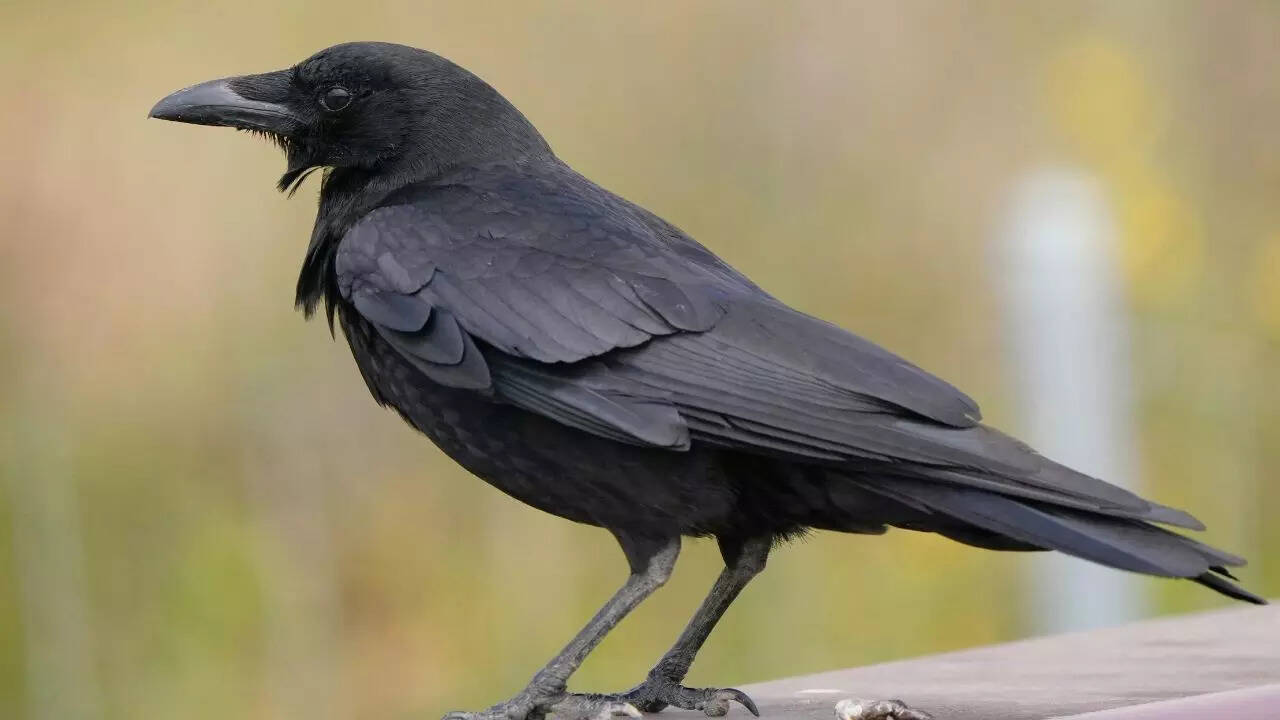
To interact responsibly:
- Feed them consistently at the same place and time
- Offer safe foods such as unsalted nuts or grains
- Avoid processed leftovers and harmful plastics
- Stay calm and patient
- Do not try to touch or trap them
Even if you never receive a gift, feeding crows encourages coexistence with wildlife and builds awareness of nature around us.Crows sometimes leave pebbles, bottle caps or other items for humans who feed them because of their remarkable intelligence, memory and ability to form social associations. While scientists cannot conclusively say these objects are emotional gifts, research supports the idea that crows recognise and respond to kindness. Whether intentional exchange or learned behaviour, the phenomenon reveals the extraordinary depth of animal cognition and reminds us that small interactions between species can build unexpected bonds. Observing these behaviors encourages people to appreciate wildlife, understand complex animal minds, and consider how even subtle human actions can influence the natural world around us. Such moments inspire curiosity, empathy, conservation awareness, and deeper reflection on coexistence, responsibility, and intelligence thriving alongside humanity daily worldwide.Also read| 6 insects that look exactly like flowers and twigs at first glance
[ad_2]
Source link