[ad_1]
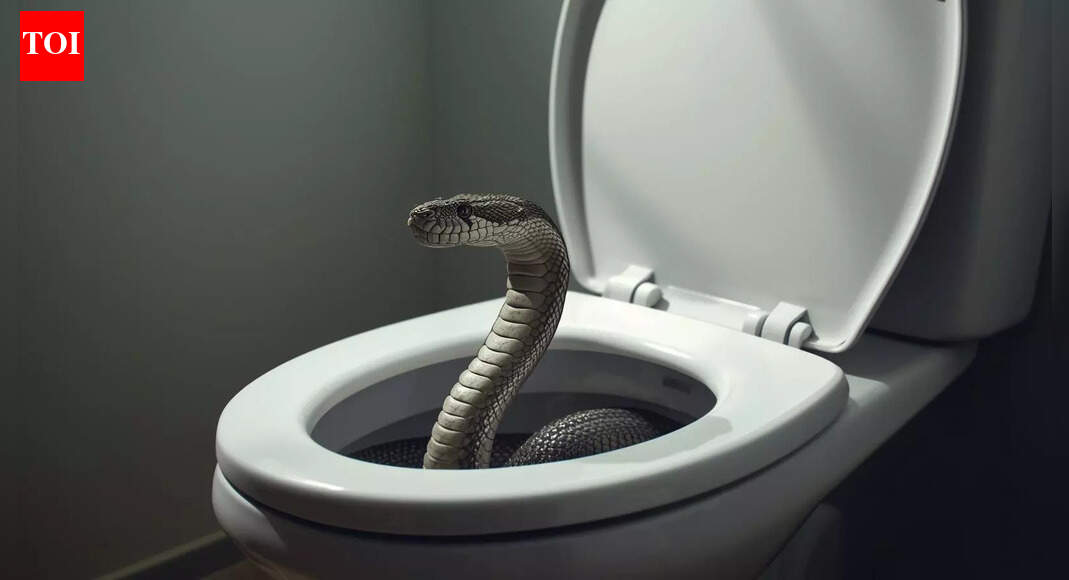
The thought usually comes without warning. A late-night toilet visit, the sound of running water, and a vision no one wants to remember for long. Snakes and toilets don’t belong together, but the stories continue. Most people have never encountered anything like this, which is why the idea spreads so quickly. When it does occur, it is seldom as dramatic as people anticipate. There is no intent, no planning, and no sense of a snake choosing a loo. Instead, there is a network of pipes, damp ground, and little animals roaming about unobserved. Toilets are nearly always engaged accidently. Understanding a quieter reality does not relieve the suffering, but it does diminish the fear and put the situation in perspective.
Why do snakes sometimes appear in toilet bowls
Underground pipelines are not that different from the locations that snakes already inhabit. They are slender, black, and largely unaffected. Temperatures are quite consistent, especially when compared to the heat above ground. These places provide short-term cover for snakes seeking to avoid danger or the sun.Drainage and sewer systems also connect large areas. A snake that enters one aperture can go many distances without being seen. Toilets are located at the conclusion of these systems, serving as one of the few exits rather than a goal.
Are snakes following food into drains
Food plays a quiet role. Sewers attract rats, frogs, insects, and other small creatures. These animals slip in and out through broken covers and open drains. Snakes follow movement more than places.A snake hunting underground does not know where a pipe leads. It moves forward until the space changes. Sometimes that change is a toilet bowl, wider and filled with water.
Does water and moisture make a difference
Moisture matters, especially in dry or hot weather. Pipes stay damp throughout the year. Water flows through them regularly, and the air inside is cooler than the surface.During heatwaves, snakes often seek relief below ground. The plumbing system becomes part of that escape. Toilets are simply connected to it.
Does flooding push snakes upward
Flooding is one of the strongest triggers. When heavy rain fills drains quickly, snakes already inside are forced to move. Staying low becomes dangerous.The only direction left is up. Toilets offer a vertical opening, often wider than other pipe ends. Many reported cases follow storms or seasonal flooding.
Can toilet design allow snakes through
Toilets are designed to block smells, not animals. Water traps slow movement, but they are not solid barriers. Some snakes are strong swimmers and flexible enough to pass bends.Older plumbing, dry traps, or poor maintenance increase the chance. It is still uncommon, but design plays a role.
Do snakes come up toilets to attack people
There is no evidence of that. Snakes emerging into a bathroom are usually stressed and confused. Many try to retreat or stay still.Bites in these situations are rare. The snake is reacting to fear, not seeking contact.
What conditions raise the risk
Certain settings make incidents more likely. Homes near open drains, fields, or wetlands see more wildlife movement. Poor sanitation and broken manholes also matter.Flood prone areas and buildings with older plumbing face slightly higher risk. Even then, cases remain uncommon.
How can homes reduce the chance
Simple steps help. Keeping drains covered, reducing rodents, and maintaining water traps all help to lower the risk. One way valves can block movement from pipes.These measures are about prevention, not panic.The truth is quieter than the stories. Toilets are not invitations. They are accidental exits, rarely used, mostly avoided, and quickly forgotten once the pipe returns to silence.
[ad_2]
Source link